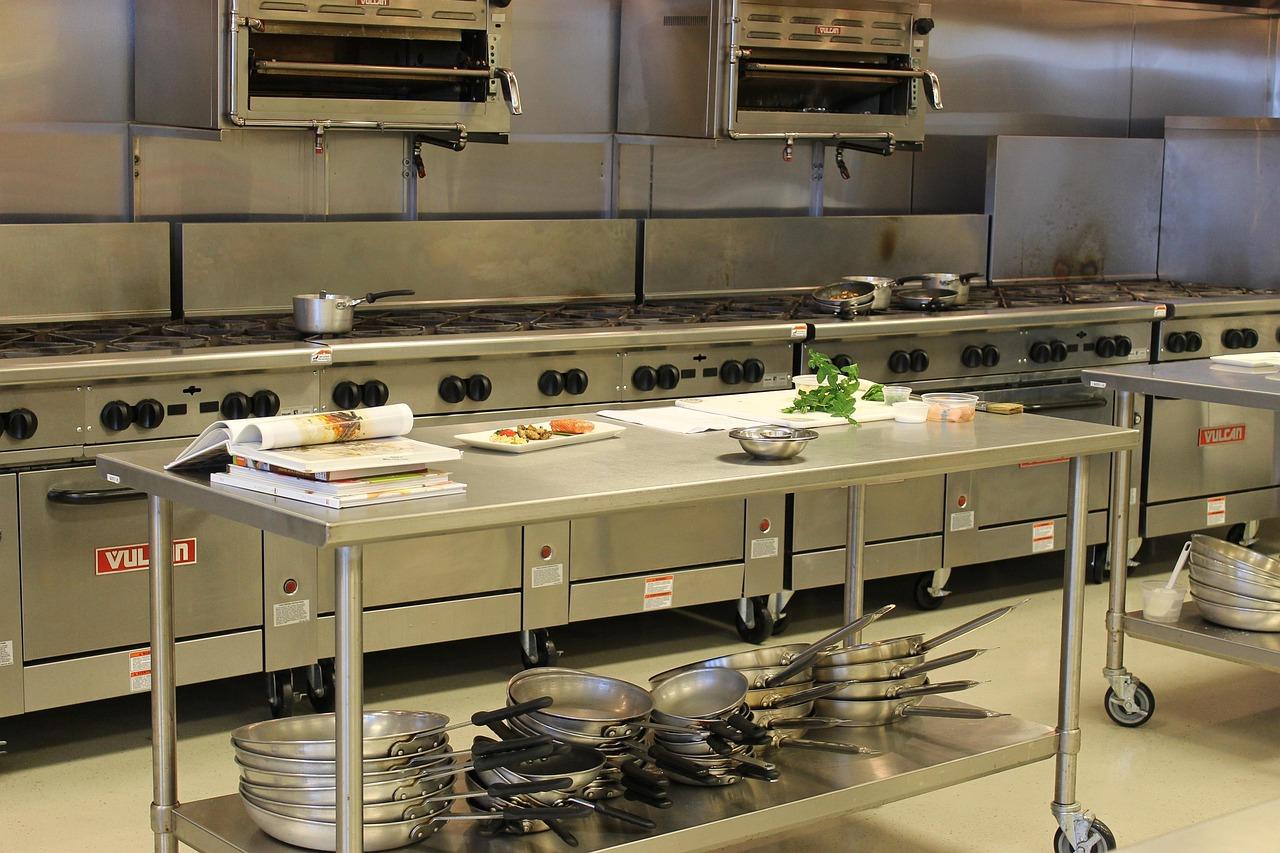
Running a commercial kitchen in the UK carries significant responsibility. Beyond the daily pressures of service, owners and operators must comply with Commercial Kitchen Fire Regulations UK to protect staff, customers, and property. With hot oils, open flames, electrical appliances, and extraction systems in proximity, kitchens present a higher-than-average fire risk.
In our guide, we’ll break down the fire safety regulations for commercial kitchens, explore the key requirements under UK law, and explain the practical measures every business should have in place. This is a comprehensive overview of compliance in practice, from construction standards and suppression systems to staff training and waste management.
Why Fire Safety in Commercial Kitchens Matters
Statistics consistently show that many fires in restaurants and catering premises start in kitchens. Combining combustible cooking oils, high-powered equipment, and poor maintenance can create a dangerous environment if left unchecked.
UK legislation, primarily The Regulatory Reform (Fire Safety) Order 2005 (RRO), makes it clear that the ‘responsible person’—usually the business owner or manager—must take reasonable steps to reduce fire risks and ensure safe escapes for staff and customers. Failure to comply can lead not only to fines and closure notices but also to devastating loss of life or property.
Key Fire Safety Regulations for Commercial Kitchens
When discussing commercial kitchen fire safety, several pieces of legislation and guidance come into play:
- The Regulatory Reform (Fire Safety) Order 2005 (RRO): The cornerstone of fire safety law in England and Wales, requiring fire risk assessments and suitable precautions.
- Building Regulations (Approved Document B): Covers fire-resistant construction and safe means of escape.
- BS 5839-1:2017: The British Standard for fire detection and fire alarm systems.
- BS EN 3: Standard for portable fire extinguishers.
- HSE Catering Information Sheet 23 (Revision 1): Practical guidance for preventing fires in catering environments.
Together, these standards shape how businesses must operate their kitchens safely.
Fire Risk Assessment
Every commercial kitchen must start with a fire risk assessment. This isn’t just a tick-box exercise. It’s a systematic review of potential hazards, who might be at risk, and the measures required to reduce danger.
The assessment should consider:
- The layout of the kitchen and escape routes
- Cooking equipment and ventilation systems
- Sources of fuel, such as gas, electricity, and oil
- Flammable materials and waste storage
- The competence of staff in using fire safety equipment
This assessment must be reviewed regularly, especially if the kitchen layout, equipment, or menu changes.
Fire-Resistant Construction
Building regulations require commercial kitchens to be constructed using fire-resistant materials. Walls, ceilings, and doors should be designed to prevent the spread of flames and smoke to other parts of the building.
Particular attention should be paid to:
- Fire doors with appropriate ratings
- Fire-resistant ducting for extraction systems
- Proper compartmentation between the kitchen and dining or public areas
These measures provide crucial extra minutes in the event of a fire, giving staff and customers time to evacuate safely.
Fire Detection and Alarms
A reliable detection and alarm system is essential. According to BS 5839-1:2017, all commercial kitchens should have automatic detection linked to a building-wide alarm system.
Firecom provides comprehensive fire alarm maintenance and fire alarm testing and inspection services to ensure compliance. Regular inspections ensure that heat and smoke detectors, call points, and sounders remain in full working order—critical for rapid response when seconds matter.
Fire Suppression Systems
Perhaps the most important protection in a modern kitchen is the kitchen fire suppression system. These pre-engineered systems automatically detect and extinguish fires in high-risk areas, including:
- Cooker hoods
- Extraction ducting and plenums
- Oil fryers, griddles, chargrills, and kebab grills
The system releases a specialised agent that rapidly knocks down flames and cools surfaces to prevent re-ignition.
Firecom’s systems are tailored to individual kitchens and must be serviced every six months to remain effective. While there is no single British Standard for these systems, regular maintenance demonstrates compliance with the RRO 2005 and assures that your kitchen is ready for emergencies.
Firefighting Equipment
Portable fire extinguishers remain a vital line of defence. Under BS EN 3, commercial kitchens should be equipped with suitable units such as:
- Wet chemical extinguishers for cooking oils and fats
- CO₂ extinguishers for electrical fires
- Fire blankets for pan fires
Firecom supplies and maintains fire extinguishers that meet industry standards, ensuring your equipment is always ready for use.
Ventilation Systems
A poorly maintained extraction system is one of the leading causes of kitchen fires. Grease and fat deposits inside ductwork can ignite, spreading flames rapidly.
To stay compliant, ventilation systems should be:
- Designed to remove heat, smoke, and grease effectively
- Constructed from fire-resistant materials
- Cleaned regularly to prevent the build-up of flammable residues
Professional ductwork cleaning should be carried out at intervals based on kitchen usage.
Emergency Exits
Escape routes are a legal requirement under the RRO. Kitchens should have:
- Clearly marked, illuminated exits
- Doors that open outwards and are kept free from obstruction
- Signage that is visible even in smoke-filled conditions
Staff should be familiar with these exits, and evacuation drills should be carried out regularly.
Staff Training
Even the best equipment is only effective if staff know how to use it. Training should cover:
- Safe use of extinguishers and fire blankets
- Evacuation procedures
- Shutting off gas and electrical supplies in an emergency
- Daily checks on fire safety equipment
Refresher training should be given annually and whenever new staff join.
Maintenance
Ongoing maintenance ties all elements of fire safety together. Every piece of equipment must be serviced per manufacturer guidance and British Standards, from alarms to suppression systems.
Failure to maintain these systems increases risk and can invalidate insurance policies.
Waste Management
Finally, don’t overlook waste. Accumulated rubbish, especially packaging and food waste, can quickly fuel a fire.
Best practice includes:
- Storing waste in metal bins with lids
- Emptying bins regularly, particularly at the end of service
- Keeping external waste storage areas away from buildings
Pulling It All Together
Compliance with commercial kitchen fire regulations in the UK requires a layered approach, from fire-resistant construction and alarms to staff training and good housekeeping. Each element reduces risk, creating a robust safety net that protects lives and livelihoods.
Firecom Safety Systems provides expert support across all these areas, from fire risk assessments to suppression systems and fire extinguisher supply and servicing.
If you’re reviewing your commercial kitchen fire safety or need advice on the latest fire safety regulations for commercial kitchens, our team is here to help. Contact us on 0115 822 2000 or contact us to ensure your kitchen is compliant, safe, and fully protected.